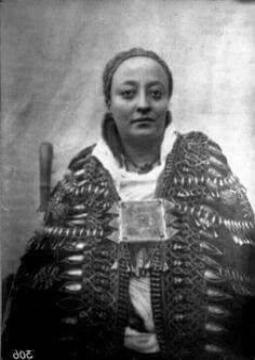
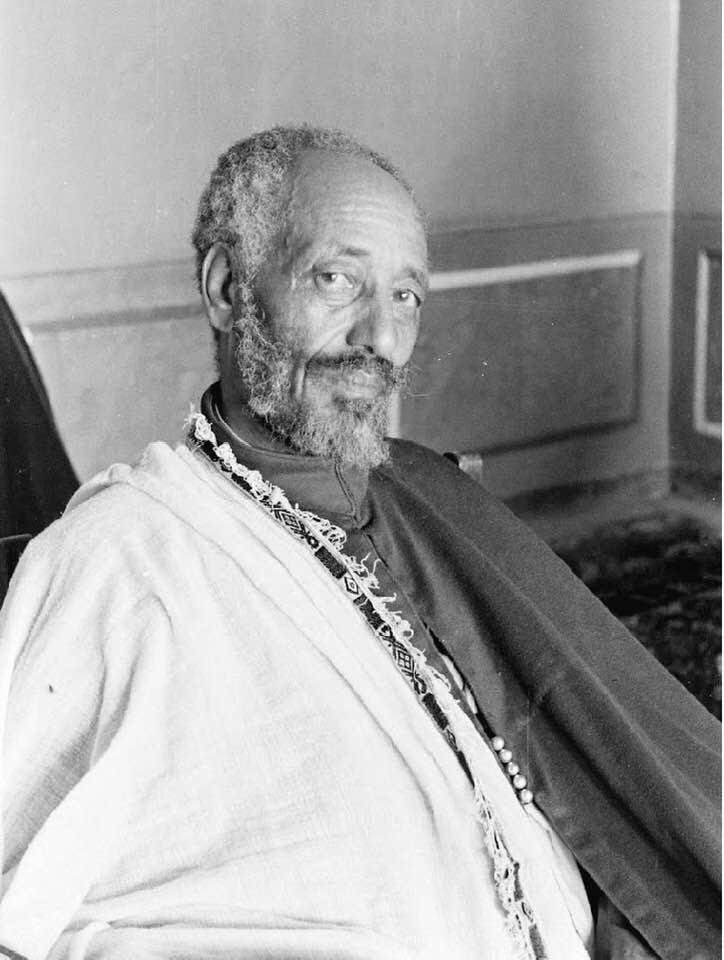
Weizero Kefey Wella Bitul
(Wife of Emperor Yohannes IV)
|
|
|
Weizero Kefey Wella Bitul
The daughter of Ras Wella Bitul
( She was the wife of Emperor Yohannes IV son ”Ras Mengesha Yohannes” ).
|
|
| |
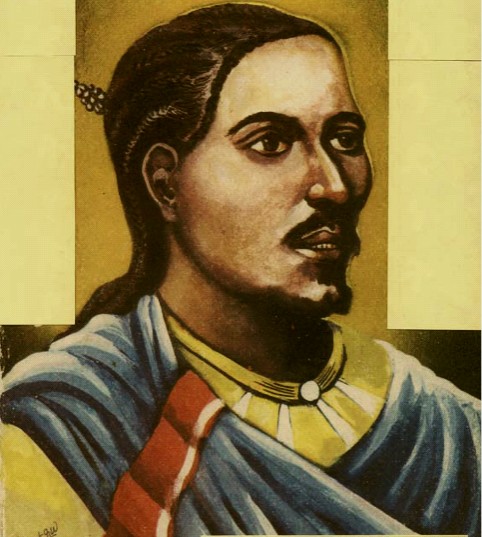
Emperor Yohannes IV
(July 11, 1837 - March 10, 1889)
|
|
|
|
Today (03-10-2018) marks the 129th anniversary of the martyrdom of Emperor
Yohannes IV.
Let Us remember Emperor Yohannes IV's inspiring famous quote:
"Ethiopia is your Mother, Love her. Ethiopia is your Country, Defend her. Ethiopia is
Everything to You, Die for her"
Yohannes IV
|
|
Yohannes IV (July 11, 1837 - March 10, 1889), born Lij Kassay Mercha and contemporaneously also known in English as Johannes or John
IV, was Emperor of Ethiopia from 1871 until his death in 1889.
Early life
Yohannes IV was born at Mai-biha, a village then within the jurisdiction of Enderta province. He was the son of Mercha, Shum (or
"governor") of Tembien, and his wife Woizero (or "Dame") Silass Dimtsu (Amata Selassie), who was the daughter of Dejazmach (roughly
equivalent to "Duke") Dimtsu Debbab of Enderta the nephew of the powerful RasWolde Selassie of Enderta. Yohannes could claim
Solomonic blood through the line of his paternal grandmother Woizero Workewoha KaleKristoss of Adwa, who was the granddaughter of
Ras Mikael Sehul, and his wife Aster Iyasu, daughter of Empress Mentewab and her lover Melmal Iyasu. Yohannes could also claim
Solomonic descent more distantly through his father's Tembien family, also through a female link to the dynasty. Amata Selassie's father
Dimtsu of Endarta belonged to the family which in late 18th and early 19th centuries had held overlordship of Tigray, and her mother
descended from the aristocratic line of the Shums of Agame.
Rise to power
In 1868, at the time of Emperor Tewodros II's suicide in response to the British rescue mission under Sir Robert Napier, Dejazmach
Kassai controlled the province of Tigray. With Tewodros's death, he became one of the three most powerful princes in Ethiopia along
with Wagshum Gobeze of Lasta and Wag (the future Emperor Tekle Giyorgis II) and King Menelek of Shewa (the future Emperor Menelek
II). Kassai was in fact Wagshum Gobeze's prodigy and ally: Wagshum had married his sister Dinqinesh Mercha and was instrumental in
helping Kassai rise to power in Tigray. The British expedition had left Yohannes a great deal of ordnance, however, and Kassai refused to
pay homage to Wagshum when he declared himself the emperor Tekle Giyorgis II at Sogota in Wag. At first Tekle Giyorgis attempted to
mollify him by naming him Re-ese Mekwanint ("first among the nobles"): Kassai promptly began using the title but continued to dispute
Tekle Giyorgis's right to supremacy or homage.
Kassai was aided in his defiance by the recent death of Salama, the abuna of the Ethiopian Church: Tekle Giyorgis could not be formally
crowned until his replacement was appointed by the Coptic Pope in Cairo, a process which might take years. In fact, Kassai took the
initiative: he had gathered the funds to pay Pope Cyril for the ordination and travel of the new archbishop. Abuna Atnatewos arrived by
June 1869, but took Kassai's side in the dispute. After consolidating support with Adal of Gojjam and Menelik of Shewa through marriage
and pacifying Wollo through force, he invaded Tigray across the Takazze River in 1871. Dejazmach Kassai met the Emperor near Adwa on
11 July 1871, capturing and deposing him. The "emperor" died in captivity the next year. Following Tekle Giyorgis' death, his widow
settled in Mekelle at Yohannes's court, continuing to be accorded the title and dignity of an Empress throughout his reign.
Atnatewos crowned Kassai emperor at Axum. The exact date of his crowning is not very clear and there are three different dates given by
scholars: 12 January 28 January, and 12 February 1872. In addition, in one of the Emperor's letters to the Queen of England, he states that
he assumed power in November. He took the name and title of Emperor, becoming the first emperor crowned in Axum since Fasilides in
1632. Adal of Gojjam soon after submitted to Yohannes and recognized him as Emperor. Adal was rewarded with the titles of Rasand of
King (Negus) of Gojjam. Adal was also given the new name of Tekle Haymanot Tessemma.
War with Ottoman Egypt
Throughout his reign, Yohannes was embroiled in military struggles on his northern frontiers. First was from Khedive Isma'il Pasha of
Egypt, who sought to bring the entire Nile River basin under his rule. The Egyptians flirted with encouraging Menelik of Shewa against the
Emperor, but earned Menelik's enmity by marching from the port of Zeila and occupying the city-state of Harar on 11 October 1875. Both
Menelik and Yohannes had regarded Harar as a renegade province of Ethiopia, and Egyptian seizure of the Emirate was not welcome to
either of them. The Egyptians then marched into northern Ethiopia from their coastal possessions around the port of Massawa. Yohannes
pleaded with the British to stop their Egyptian allies, and even withdrew from his own territory in order to show the Europeans that he
was the wronged party and that the Khedive was the aggressor. However, Yohannes soon realized that the Europeans would not stop the
Khedive of Egypt and so he gathered up his armies and marched to meet the Egyptian force.
The two armies met at Gundat (also called Guda-gude) on the morning of 16 November 1875. The Egyptians were tricked into marching
into a narrow and steep valley and were wiped out by Ethiopian gunners surrounding the valley from the surrounding mountains.
Virtually the entire Egyptian force, along with its many officers of European and North American background, were killed. News of this
huge defeat was suppressed in Egypt for fear that it would undermine the government of the Khedive. A new Egyptian force was
assembled and sent to avenge the defeat at Gundat. The Egyptians were defeated again at the Battle of Gura (7–9 March 1876), where the
Ethiopians were led again by the Emperor, and his loyal general, the capable (and future Ras) Alula Engida. This victory was followed by
Menelik's submission to Yohannes on 20 March 1878, and in return Yohannes recognized Menelik's hereditary right to the title of King
(Negus) of Shewa, and re-crowned him on 26 March. Yohannes took this opportunity to tie the Shewan King more closely to him by
arranging for Menelik's daughter Zewditu (the future Empress of Ethiopia in her own right), to be married to his own son and heir, Ras
Araya Selassie.
Emperor Yohannes also convened a general council of the Ethiopian Church at Boru Meda later in 1878, which brought an end to the
ongoing theological dispute in the local church; Christians, Muslims and pagans were given respectively two, three and five years to
conform to the council's decisions. Non-Christians were forbidden from participating in the government unless they converted and were
baptised; the Muslims were given three months, while the pagans had to become Christians immediately. "Having concluded that Wollo
was worth a mass," as Harold Marcus wryly puts it, his retainer RasMohammed of Wollo became disobedient of the tax rules, which he
and the entire wollo refused to pay tax to the government in which Emperor Yohannes had discovered, Ras Mohammed was conspiring
with the Turks the Ottoman empire because of his Muslim affiliation. Ras Mohammed was brought to Emperor Yohannes, and was
confronted of his conspiracy in helping the Muslim colonizer and to bring down the Judeo Christian empire. Ras Mohammed was siding
with Muslim Affiliates of Turkey. After meeting with King Yohannes and in learning that if he were to assist the Turks in the end he and the
rest of Ethiopia would become a salve to the Arab/Muslim world. Ras Mohammed then choose to become a Christian to later inherit a
Christian name (later Negus) Mikael of Wollo, the Emperor stood as his godfather at his baptism. The new convert was given Menelik of
Shewa's other daughter, Shewarega Menelik, as his wife. Yohannes went one step further and pressured Menelik to expel all of the Roman
Catholic missionaries from Shewa.
However this time, instead of a single Archbishop, he requested that Patriarch Cyril send four to serve the large number of Christians in
Ethiopia, who arrived in 1881. They were led by Abuna Petros as Archbishop, Abuna Matewos for
Shewa, Abuna Luqas for Gojjamand Abuna Markos for Gondar. Abuna Markos died shortly after arriving, so his diocese was included with
that of Abuna Atnatewos. It was the first time that the Coptic Patriarch of Alexandria had appointed four Bishops for Ethiopia.
War with Sudan
When Muhammad Ahmad proclaimed himself the Mahdi, and incited Sudan into a long and violent revolt, his followers successfully either
drove the Egyptian garrisons out of Sudan, or isolated them at Suakin and at various posts in the south. Yohannes agreed to British
requests to allow these Egyptian soldiers to evacuate through his lands, with the understanding that the British Empire would then
support his claims on important ports like Massawaon the Red Sea to import weapons and ammunition, in the event that Egypt were
forced to withdraw from them. This was formalized in a treaty signed with the British at Adwa known as the Hewett Treaty. The
immediate result was that the wrath of the Mahdiyah fell upon Ethiopia: Ras Alula defeated an invading Mahdist army at the Battle of
Kufit on 23 September 1885. About the same time, Italy took control of the port of problem of the Mahdists, although Ras Alula took it
upon himself to attack Italian units that were on both sides of the ill-defined frontier between the two powers. Domestic problems
increased when the Neguses of both Gojjam and Shewa rebelled against Yohannes, and the Emperor had to turn his attention from the
encroaching Italians to deal with his rebellious vassals. Yohannes brutally crushed the Gojjame rebellion, but before he could turn his
attention to Shewa news arrived that the Mahdist forces had sacked Gondar and burned its holy churches. He marched north from Gojjam
to confront the armies of the Mahdi.
Death
Evidence suggests that Emperor Yohannes had acted rashly and had made himself vulnerable, going beyond enemy lines in range of
enemy shots as victory was going to his side. Mortally wounded from a gunshot, he had been carried to his tent, where he announced that
his nephew Ras Mengesha was actually his natural son, and named him his heir (his elder son Ras Araya Selassie had died a few years
earlier). He died hours later. Although the Ethiopian army had almost annihilated their opponents in this battle, hearing that their ruler
had been slain shattered their morale and allowed the Mahdists to counterattack, scattering the Ethiopian forces.
Yohannes' body was carried back to Tigray guarded by a small party, who were overtaken by the Mahdist troops of Zeki Tummal near the
Atbara River and who captured the sovereign's body. Augustus B. Wylde, who claimed to have heard the story from a priest who managed
to escape the slaughter, wrote how Yohannes' uncle Ras Areya stood beside the body of his dead master with "a few of his soldiers and
the bravest of the king's servants, who had lost their all, and had no more prospects to live for".
Ras Areya was last seen standing alongside the box containing the king's body, after having expended all his ammunition, with his shield
and sword in his hands, defending himself, till at last he was speared by a Dervish from behind, and died fighting gamely like the fine old
warrior that he was.
According to Wylde, as he saw death come Ras Areya announced "that he was now old and done for, that his time had come, and it was
useless at his age to serve another master that he knew little about, and it was better to die like a man fighting unbelievers, than like a
mule in a stable. The Mahdists brought the Emperor's body back to their capital at Omdurman, where the head was put on a pike and
paraded through the streets.
Source: Tsega Tekle Haimanot FB Post - 03-10-2018
|
|
| |
Linda Brown
(1942 - March 25, 2018)
|
|
This past Sunday, March 25, 2018, Linda Brown passed away at the age of 76.
She was the little girl at the center of the historic Brown v. Board of Education that ended the segregation of schools in America.
The case involved several families who filed a suit, aimed at dismantling decades of federal education laws condoning segregated schools
for black and white students.
But it began with Oliver, the father of little Linda Brown, who attempted to enroll her at the Sumner School, an all-white elementary
school in Topeka just a few blocks from the Browns' home.
Ultimately in 1954, the U. S. Supreme Court ruled unanimously to strike down the doctrine of "separate but equal," as they were facing
similar suits filed in other States across the Country. This officially ended the segregation of schools in the U.S., although the actual
integration was much harder and segregation continued for several years after.
As a young child "I just couldn't understand," Linda Brown said in an interview, 19 years after the historic decision. Her family lived in a
mixed neighborhood where she played with white children, but she would have to take the school bus and go across town to the black
school. The white children she played with would go to the nearby school. "My parents tried to explain this to me, but I was too young at
that time to understand."
The history of the United States of America is dotted with watershed moments like these. Times when people are pushed to the limits of
their endurance and decide that enough is enough. Times when everyday people take a stand for equality and justice. Times when the
hands of justice need a push to do the right thing. And, these moments bring out the fire and steel in those who never thought they
possessed it.
Plainfield has had its share of watershed moments. And, we have our own stalwart advocates.
Charles and Anna Booker were plaintiffs in the case Booker v. Board of Education which was responsible for ending segregation in our
Plainfield public schools in 1965, and influenced many other similar cases across New Jersey and the Country.
Like others across America, they wanted equality in learning for all our children regardless of color, and they decided to do something
about it. It is easy to complain, but it takes courage to stand up and do something about it; and they did.
Education has the power to elevate, to stir dreams, to jump-start critical thinking, to build bridges - literally and figuratively. It is the
means by which we pass knowledge down from one generation to another and, we ensure that information is not lost. We count on each
generation to build on what they learn and progress even farther than the generation before.
Education put men on the moon and built satellites that can beam information to every corner of the globe. Education built a computer
the size of a building to house and process information, then shrunk it down so every person today can hold that information in the palm
of their hands. Education enables a doctor to take an organ out of one person's body, place it inside another and thus save a life.
Education allows a small child to dream dreams that will one day change our world.
Education is the backbone of any society, and those who influence and fight for learning are the real heroes among us. Charles and Anna
Booker are Plainfield Heroes, and we cannot sing their praises enough. We are fortunate to have them still living right here in Plainfield.
We must never forget the ones who gave our children the opportunities they have today, and as a community, we must find ways to
honor and memorialize them. When we celebrate our educators, and those who fought for education, we send a message to our children
that education is important, we give them daily inspiration for their dreams and arm them with the knowledge that they too can effect
change.
Creating, One Plainfield, One Future
Mayor Adrian O. Mapp
City of Plainfield
|
| |
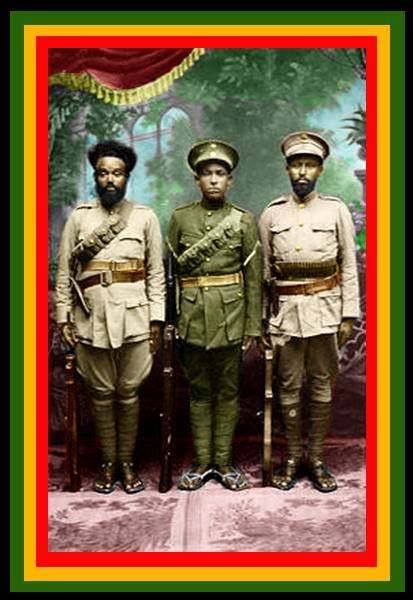
Honorable Fitwrari Tewahade Woldeyes
(? - January 17, 1988)
|
|
My father The Honorable Fitwrari
Tewahade Woldeyes in the middle. The two
older gentlemen to the right and left of my
father, died in the first 10 days of fierce
battle with Italian Fascists. My father lived
and went on to become governor and
Senator. He died of natural causes on
January 17,1988. Rest in Peace Heros.
|
|
|
| |
|
| |
|
|
| |
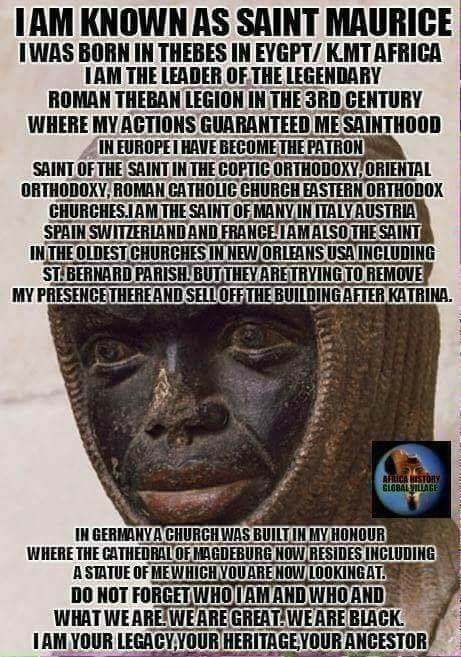
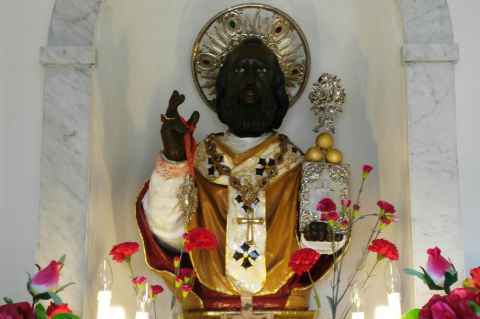
Saint Nicholas of Mira
(September 29, 1940 - April 19, 2009)
|
|
Saint Nicholas of Mira (Turkey), Patron of Bari in South Italy, where he is still buried.
|
|
|
|
He is traditionally called "Black", and he is the original figure that babylon falsified in "Santa Klaus" (Ni-klaus) the Lapponian.
|
|
| |
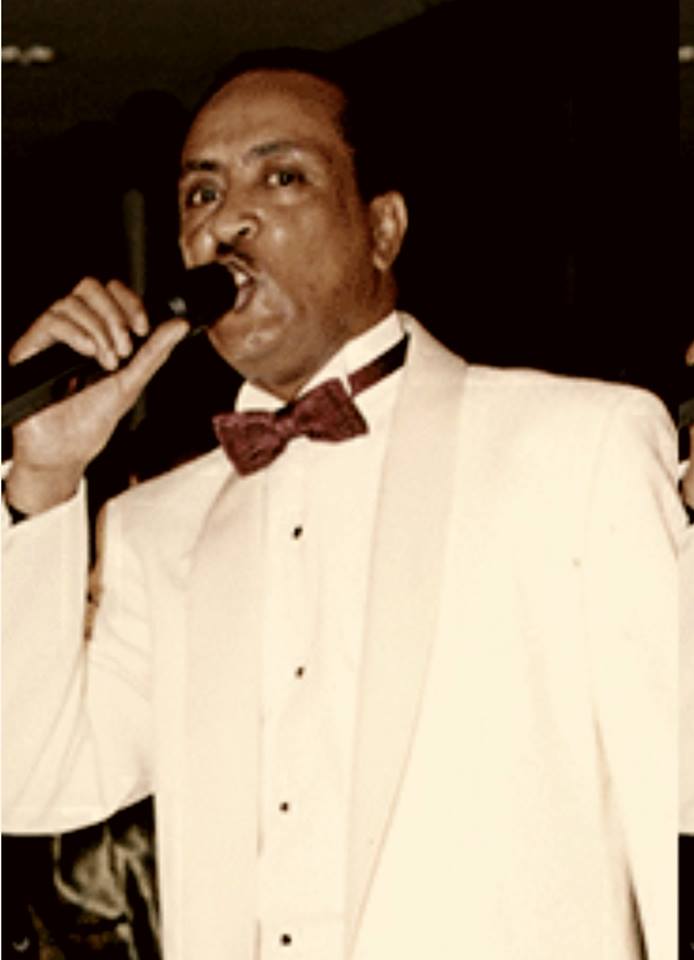
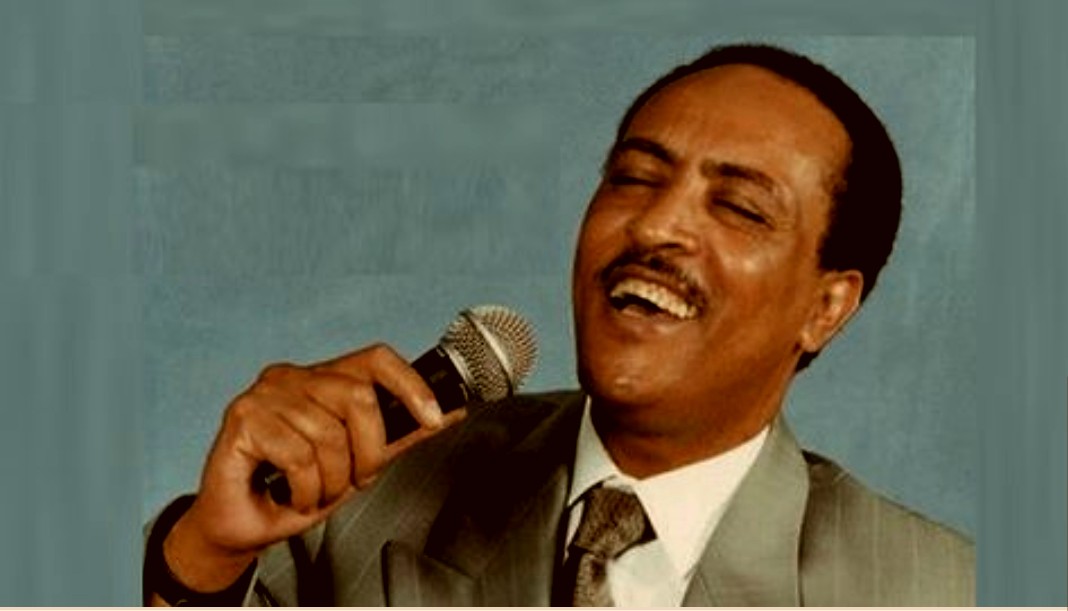
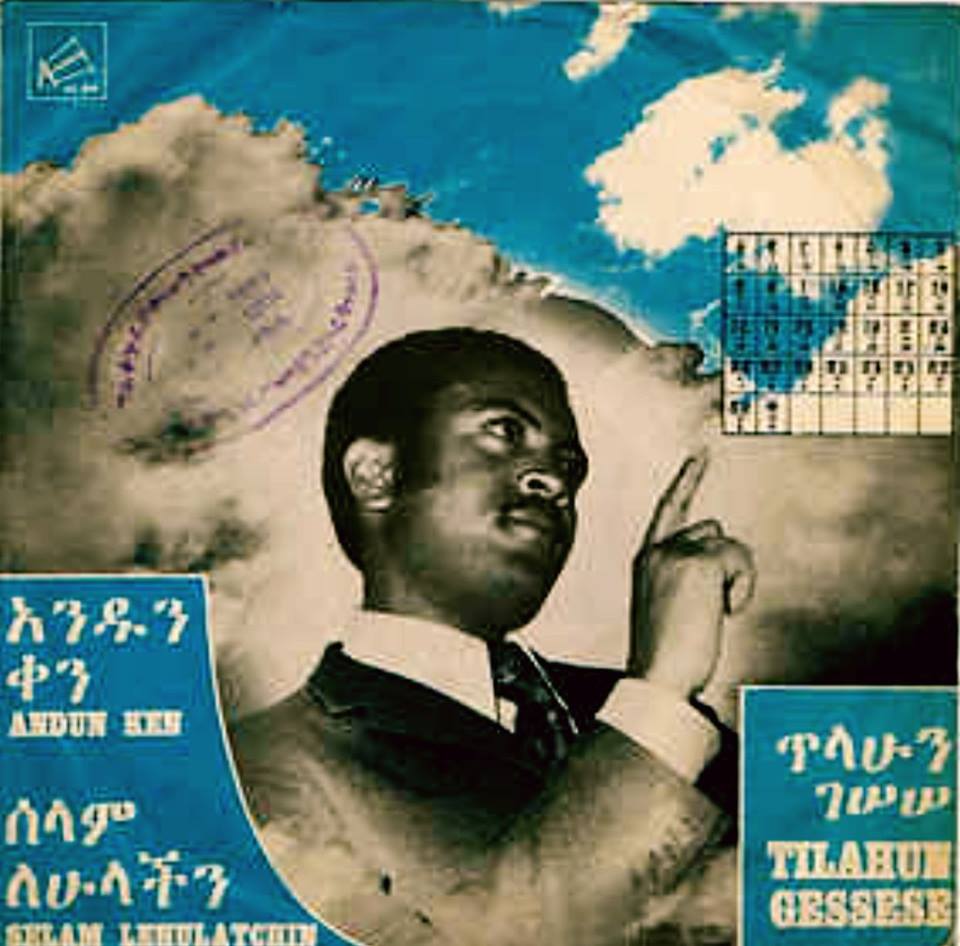
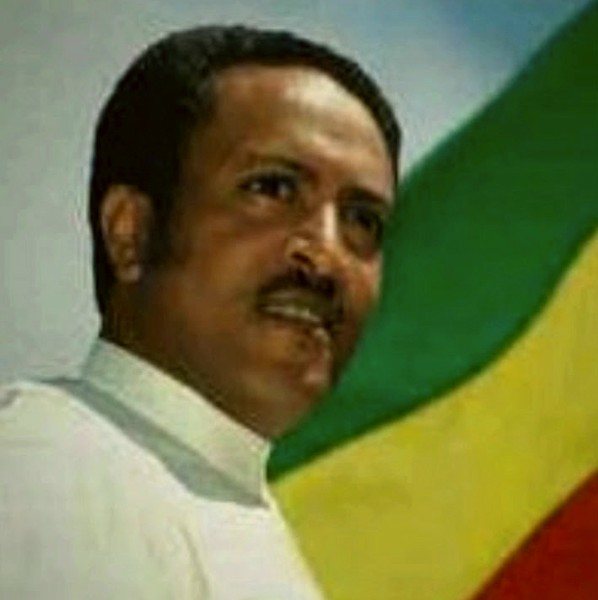
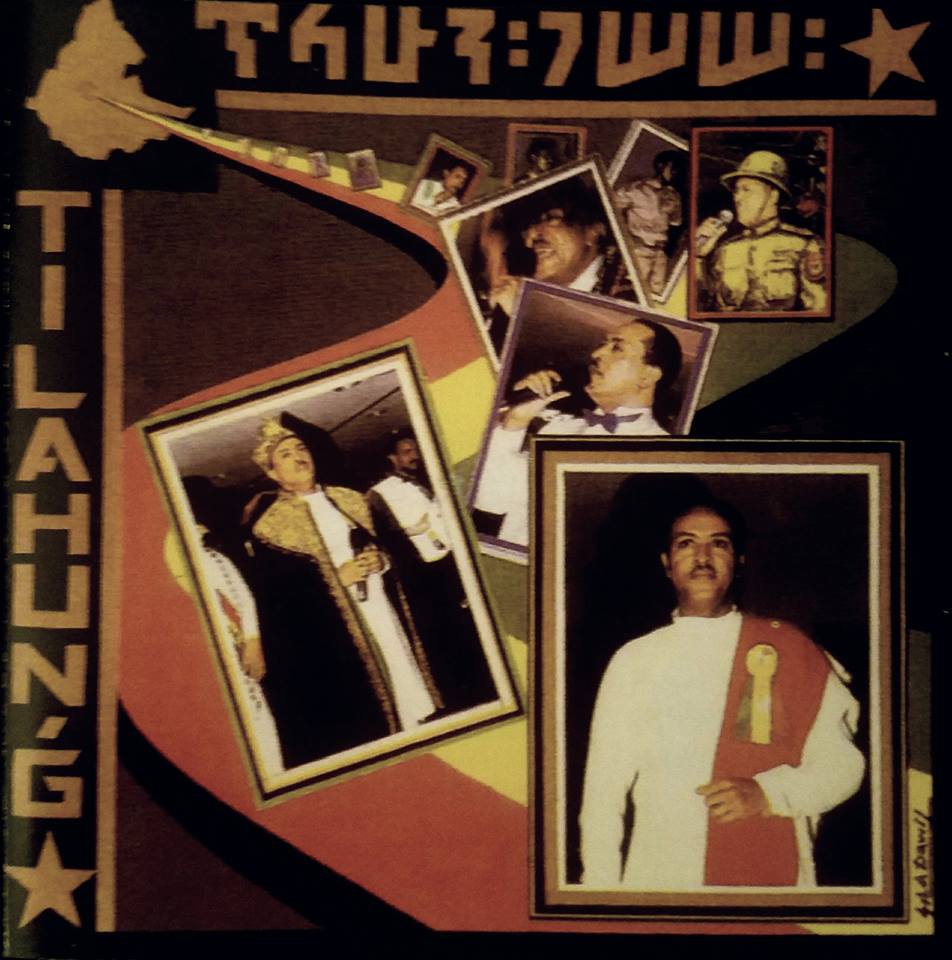
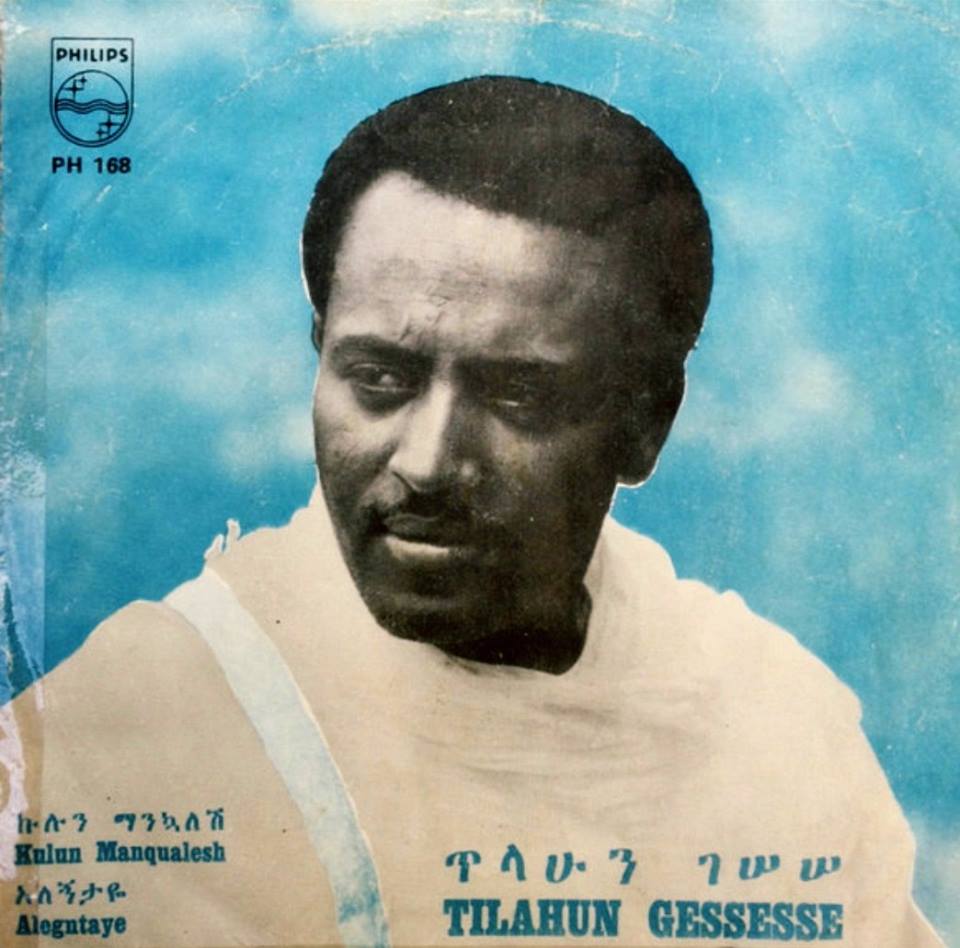
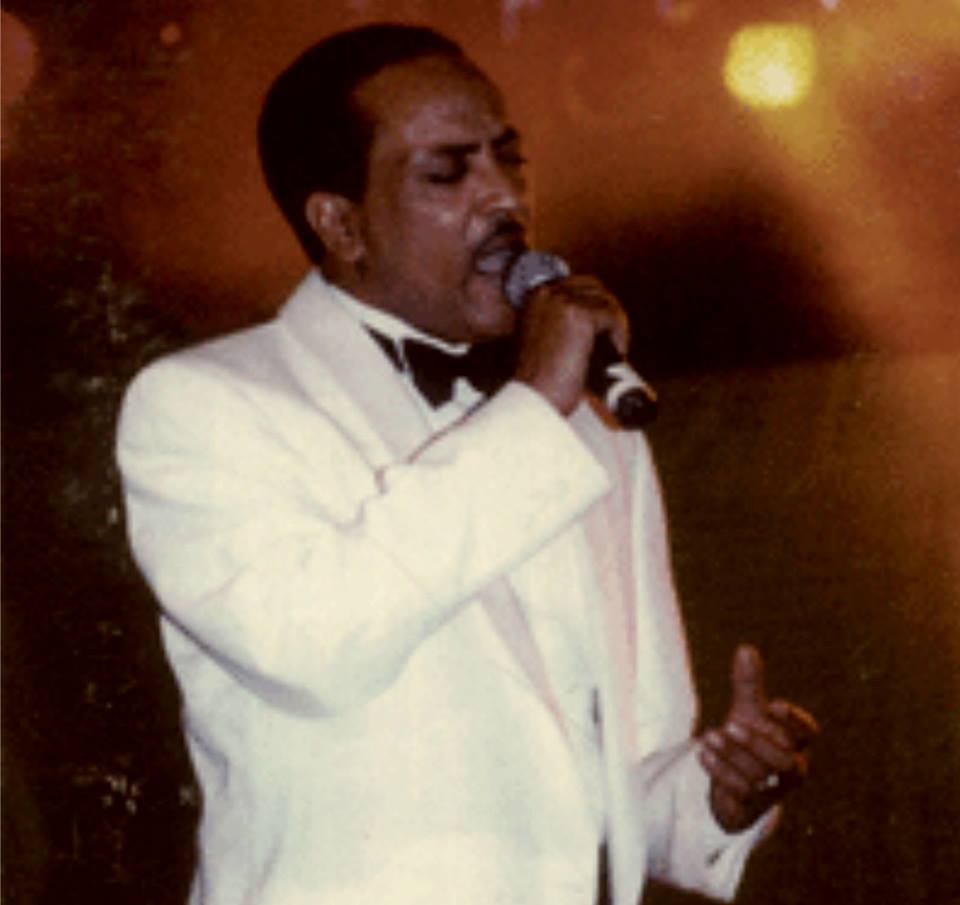
Tilahun Gessesse, the Legend
(September 29, 1940 - April 19, 2009)
|
|
|
|
|
|
Tilahun Gessesse was an Ethiopian singer regarded as the most popular of his country's "Golden Age" in the 1960s. During the 1960s, he
became famous throughout the country, nicknamed "The Voice". He raised money for aid during the famines of the 1970s and 1980s and
earned the affection of the nation, being awarded a doctorate degree by the University of Addis Ababa and also winning a lifetime
achievement award from the Ethiopian Fine Art and Mass Media Prize Trust.
Tilahun was born to Mrs. Getee Gurmu and Mr. Ayano on September 29, 1940 in Woliso, Oromia. Gessesse is an adopted name from his
step father who his mother married. As time went by, his interest in music became increasingly clear, although his grandfather urged him
to concentrate on his academic studies. The Ras Gobena School Principal Mr. Shedad (who was from Sudan), encouraged Tilahun's
interest in music and urged him to go to Sudan to pursue his music career. Although Tilahun did not go to Sudan, he took Mr. Shedad's
advice very seriously. When Weyzero Negatwa Kelkai, Ato Eyoel Yohanes and other artists from the Hager Fikir Theatre came to his
school to perform, Tilahun took the opportunity to discuss his interest in music with Ato Eyoel. He was told to go to Addis Ababa if he
wanted to pursue a career in the field.
Tilahun dropped out of school and tried to travel to the capital city to pursue his dream a journey he began on foot without his family's
consent. Tilahun traveled fifteen kilometers on foot, he was caught in a small town of Tulu Bolo and stayed overnight with his aunt. The
next day, he was forced to return to his grandfather in Woliso. Since his interest in music lay deep in his heart, Tilahun chose not to stay at
his grandfather's house in Woliso. After staying only one night at his grandfather’s house, he again began his journey to Addis Ababa, this
time hiding himself in the back of a loaded truck.
In Addis Ababa, Tilahun was first hired by the Hager Fikir Association, which is now known as Hager Fikir Theater. After a few years at the
Hager Fikir Theater, he joined the Imperial Bodyguard Band where he became a leading star singer. During his time with the band,
Tilahun ran afoul of the government after the attempted coup d'état of December 1960 by the Imperial Bodyguard. He was arrested and
put in prison for a time.
Tilahun moved to the National Theater where his success continued. His tenor singing was regarded as the best Ethiopian pop voice of
the 1960s. His popularity was such that he appeared three times in front of Emperor Haile Selassie I. During a visit, the Emperor advised
him not to abuse his talent.
Recordings made by Tilahun during the 1970s and 1980s helped raise large sums of money to aid famine victims. The majority of his
recordings were in Amharic, but he did also record in Oromo. He received an Honorary Doctorate Degree from Addis Ababa University, in
appreciation of his contribution to Ethiopian music. He also received an award for his lifetime achievements from the Ethiopian Fine Art
and Mass Media Prize Trust.
Tilahun died on April 19, 2009 in Addis Ababa as he was being taken to hospital by his wife. He had just returned to Ethiopia from the
United States. He had been in poor health for several years due to diabetes. "Tilahun stood out as an artist of great renown with his
lifetime contributions to Ethiopia's modern music, which he popularized across the world", said Ethiopian Prime Minister Meles Zenawi.
The Patriarch of the Ethiopian Orthodox Tewahedo Church, His Holiness Abune Paulos said "that whoever is said dead is he who leave
nothing worthwhile behind. Tilahun left numerous, though secular, legacies behind to survive the mortal body for generations to come."
United States Ambassador Donald Yamamoto stated that "Ethiopians owe a great deal to the late Tilahun Gessesse, who promoted
Ethiopian music across the world."
A candlelit vigil was held by friends and family in the garden of the National Theatre in Addis Ababa on the night of Wednesday 22 April.
On Thursday April 23, 2009 a state funeral was held. About one million Ethiopians, including government officials, and entertainers,
gathered in Mesqel Square, Addis Ababa and heard messages of condolence from the Prime Minister and President Girma Wolde-Giorgis.
A funeral mass was held in Holy Trinity Cathedral Church. Messages of condolence from fans all over the world were posted on a
memorial web site.
|
|
| |
Zerai Deres
(1914 - July 6, 1945)
|
|
| |
Zerai Deres (Ge'ez ዘርኣይ ደረስ) (1914 – July 6, 1945) was an Eritrean translator and patriot. In 1938, he engaged in an act of public
devotion to an important symbol of his native country, the Monument to the Lion of Judah, at the time kept in Rome. When interrupted,
he violently protested against Italian colonialism while brandishing a scimitar, which led to his arrest and internment in a psychiatric
hospital for seven years, until his death. However, contemporary Italian historians doubt the claim that he was mentally unstable. Zerai's
protest, lionized after the end of the Second World War, is considered by Eritrean and Ethiopian historiography as part of the movement
against Italian occupation. To this day, Zerai is considered a legend and a folk hero of anti-colonialism and anti-fascism both in Eritrea
and Ethiopia.
On June 15, 1938,shortly before his planned return to his homeland, Zerai went to Princess of Piedmont Boulevard (now Luigi Einaudi
Boulevard) during lunchtime and knelt at the foot of the Monument to the Lion of Judah, a symbol of the Ethiopian monarchy. The
sculpture had been brought to Rome as spoils of war by the Italian fascist regime in 1935, placed under the monument to the fallen of
Battle of Dogali, and inaugurated on May 8, 1937, at the eve of celebrations for the first anniversary of the Italian Empire proclamation.
As a small crowd gathered around Zerai, an Italian military officer tried to interrupt his devotions. Zerai pulled out a scimitar, struck the
officer,[15] and shouted imprecations against Italy and the Duce, while praising the Negus (Ethiopian monarch). During the confrontation,
Zerai injured Italian Railways private Vincenzo Veglia, State employee Ferdinando Peraldi, and Infantry Chief Marshal Mario Izzo, who
reported very slight wounds that healed within 12 days. According to other reports, some passersby, including a butcher's boy who
hurled his bicycle at the Eritrean were also injured.
Finally, two soldiers ended the attack with gunfire, shooting Zerai four times. Zerai was wounded in the thigh.
In 1966, when the sculpture of the Lion of Judah was returned to Ethiopia, Emperor Haile Selassie recalled Zerai's patriotic gesture during
the re-appointment ceremony held in Addis Ababa.
After the 1974 Ethiopian Revolution, the Derg regime planned to remove the statue as a monarchic symbol. However, senior members of
the war veterans association lobbied for the statue to remain as a symbol of Zerai Deres' sacrifice on behalf of anti-fascism. The Derg
agreed to this request to save the statue, which stands in the Addis Ababa railway station square today.
Source:
https://en.wikipedia.org/wiki/Zerai_Deres
|
| |
Dezamatch Gebremariam Garri
added: 10-19-2018
|
|
|
|
|
| |
| |
|
|
Nothing is hidden from God's view!...
|
|
|
Copyright © 2011-2018 UMOJA Connection, Inc.
All rights reserved.
|
|
|